By Staff Writer @.
The Supreme Court of Liberia has reserved ruling in the controversial and protracted Intestate Estate of the late Wilmot F. Dennis — a 200-acre land dispute in Paynesville’s 72nd Community — at a moment of profound grief for the prevailing family, following the reported death of its Attorney-In-Fact, Judge Mozart Chesson
The Full Bench, after hearing arguments on the appeal of Mark Dennis alias Mack Dennis and Henry Dennis, announced that its opinion would be delivered on notice during the October 2026 Term. For the parties, who have waited since 1963 for finality, the reservation means more anxious weeks. For the family of Estella Dennis-Turay, the wait is now compounded by mourning.
The Loss at the Heart of the Case
Family sources confirmed that Judge Mozart Chesson, who held a duly executed Power of Attorney as Attorney-In-Fact for Administratrix Madam Estella Dennis-Turay, died as the Supreme Court deliberations were pending.
Under Liberian law, an Attorney-In-Fact is not merely a representative. He is the legal alter ego of the principal — empowered to file motions, receive writs, execute deeds, and speak for an elderly principal who, in this case, has been litigating since she was a young woman and who spent 14 years in exile during Liberia’s civil wars.
Judge Mozart Chesson was crucial to the family not only as a relative and trusted confidant, but as the institutional memory of a file that spans six decades, four Civil Law Court judges, and three separate trips to the Supreme Court.
Court filings from the 2025-2026 re-confirmation hearings before Judges George W. Smith and Boima Kontoe repeatedly list him as the person who marshaled the original 1950s deeds, the certified copies of the 1979 Civil Law Court judgment, and the 1988 and 1989 Supreme Court mandates affirming title, and presented them to the Monthly and Probate Court for perfection of title in 2012.
His death, on the eve of what lawyers describe as the final chapter, creates both a legal and emotional vacuum. Procedurally, the Estate will need to execute a new Power of Attorney and file a Suggestion of Death and Substitution of Attorney-In-Fact before the Probate Court, to ensure continuity of representation when the Supreme Court’s mandate returns for enforcement. Substantively, the family has lost its most ardent archivist at the very moment the Court is being asked to close the matter forever.
What the Supreme Court Reserved
The appeal before the Court is legally narrow but politically explosive.
In 1963, the four direct children of Wilmot F. Dennis — Estella Dennis-Turay, Sam Ford Dennis, Mabel Dennis Mann and Jeannette Dennis-Pratt — sued to cancel fraudulent deeds. In 1979 the Civil Law Court voided those deeds. In 1988 and 1989 the Supreme Court affirmed in toto, making title final, conclusive and enforceable against the whole world under Article 65 of the Constitution.
The title lay dormant through the civil crisis. Upon return, Madam Dennis-Turay found defendants in possession under an August 30, 2005 Writ of Possession issued by then Judge Emery Paye. On August 26, 2025 Judge Smith found that writ was procured when defendants “falsely presented themselves as the plaintiffs” — the already-adjudged owners — and declared it void ab initio. On February 25, 2026 Judge Kontoe re-confirmed, calling defendants “impostors” guilty of “deception, fraud, perjury and serious contempt.”
Why the Supreme Court May Not Even Hear It: Kontoe’s judgment was rendered February 25. Defendants filed their Bill of Exceptions March 23 — 28 days later. Chapter 51, Section 51.4 of the Civil Procedure Law requires filing within 10 days. Moreover, the Bill assigns no error to findings of fraud, impersonation or ownership. It raises only procedural irregularities.
The Estate’s Motion to Dismiss Appeal for untimely filing, filed March 31, is therefore dispositive. If granted, the Supreme Court will never reach the merits. If denied, the Court must then confront res judicata and stare decisis: whether a title affirmed twice by the Supreme Court itself can be collaterally attacked by a wartime writ obtained without notice to the title holders.
A constitutional lawyer confided to the Daily Observer that allowing such an attack would “undermine security of title in Liberia.”
Legal and Political Stakes Under the Boakai Administration
The reservation comes at a critical time for land governance.
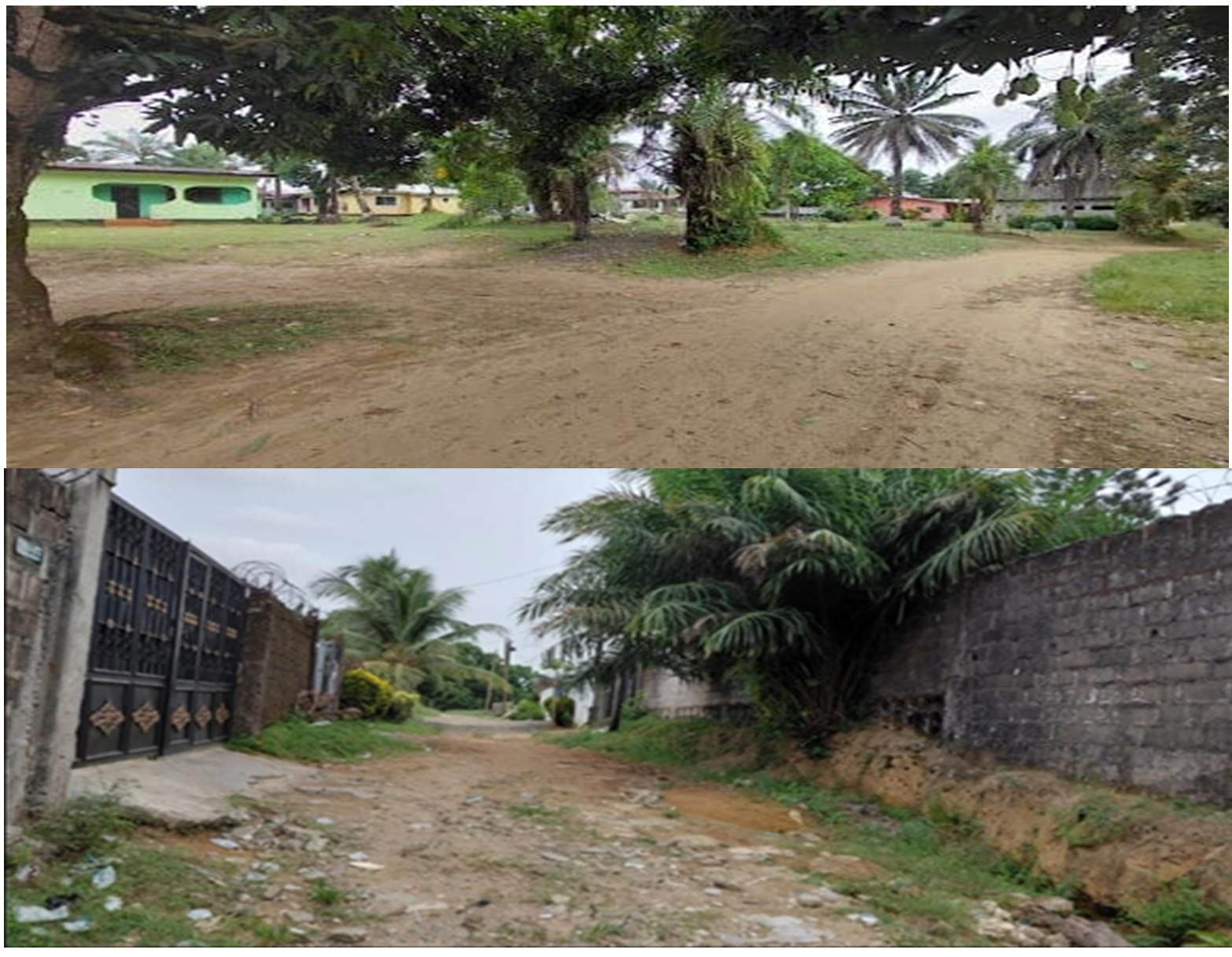
The 72nd Community parcel is no longer rural farmland. It is prime Paynesville real estate, worth tens of millions of US dollars, hosting hundreds of occupants, some of whom claim through the defendants. The case has become a symbol of Liberia’s broader crisis of criminal land conveyancing — where displacement, lost registries and ex parte writs during 1990-2005 created parallel chains of title.
For President Joseph Boakai’s ARREST Agenda, which promises to restore rule of law and protect diaspora property rights, how the Supreme Court treats finality matters. A dismissal or affirmation would reinforce that Supreme Court mandates from 1988 and 1989 remain bankable. A reversal would signal that even probated, registered deeds from 2012 remain vulnerable to new appeals 60 years after first adjudication.
In that context, the death of Judge Mozart Dennis is more than a family tragedy. It underscores the human cost of endless litigation. Madam Dennis-Turay, predeceased her son, began this litigation with her siblings when she was a young woman. Her Attorney-In-Fact, who carried the file through courtrooms, registries, and workshops when judges were unavailable, did not live to see the final mandate he spent years perfecting.
The Supreme Court’s reserved ruling, when delivered, will determine not just who owns 200 acres in Paynesville. It will determine whether Liberia’s judicial system can finally give closure to a family that has buried its siblings, and now its advocate, while waiting for justice.